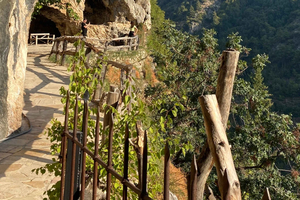
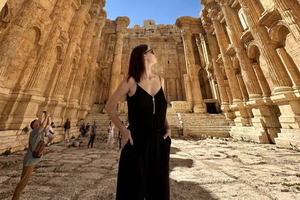
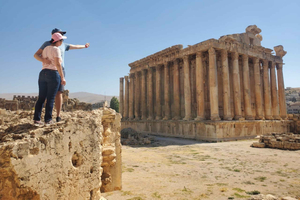
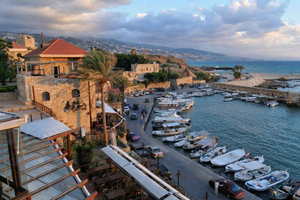
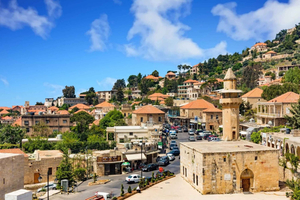
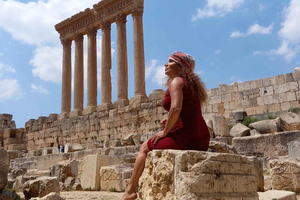
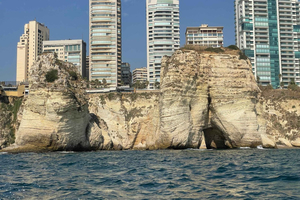
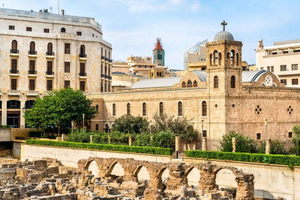
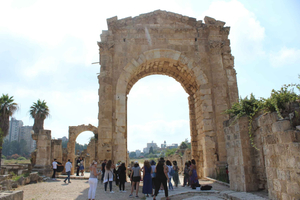
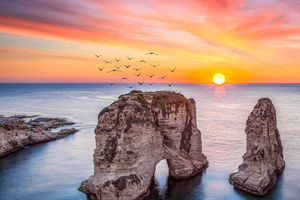
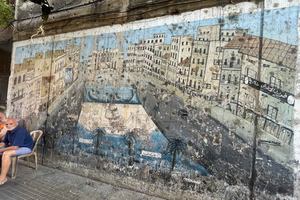
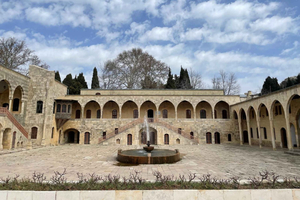
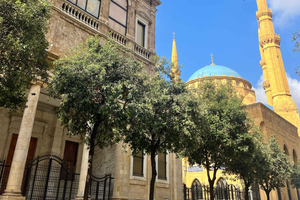
Beirut isn’t just a city you see , it’s one you feel under your feet as you wander through its streets. The historical landmarks here carry scars and stories that speak volumes about its past, from ancient Phoenician roots to Ottoman influences, and the imprints of more recent conflicts.
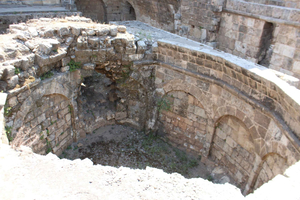
Places like the Roman Baths, tucked near the fancy downtown hotels but often overlooked, give a quiet glimpse into everyday life centuries ago. And I’ll tell you, don’t skip the Sursock Museum area around Ashrafieh , the old aristocratic villas might seem like just another pretty façade, but they embody a whole era of Beirut’s cultural renaissance. If you’re there in the afternoon, grab coffee nearby and watch locals pass by as if time slows down just a bit.
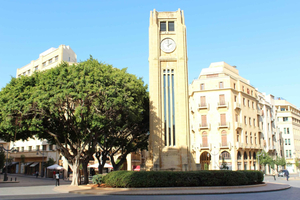
One tip: avoid the midday heat if possible when visiting sites like Martyrs’ Square or the Grand Serail. Early morning feels best, not only for cooler weather but because you’ll catch locals going about their day, which somehow makes the history richer. Beirut is a city built layer upon layer, and every corner you turn has a story that just might surprise you.
🌍 Part of the My Guide Network180+ destinations worldwide
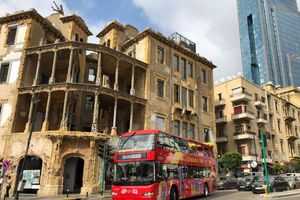
If you want to feel how Beirut’s history breathes in the city streets, try walking from Martyrs’ Square up toward the Beirut Souks, then move into the Gemmayzeh neighborhood. It’s a stroll through centuries , Ottoman architecture, war-scarred walls next to newly restored buildings, and tiny cafes where the old meets the new. Don’t rush it. Pause, look up at the details on building facades, and maybe chat with a local shop owner who’s seen this city change over decades. Also, if you’re around in the spring or fall, mornings are just cool enough to explore without getting drained. Trust me, it makes a difference.
Frequently Asked Questions
Got questions about Beirut’s historical spots? Here’s what I often get asked.
They’re definitely worth your time. The Roman Baths aren’t like Pompeii, but they give a tangible connection to ancient life here. Plus, they’re nestled in the heart of the city so you can feel the contrast between old and new.
Most key landmarks are best enjoyed during the day, but spots like Martyrs’ Square and the Corniche are lively and safe in the evening too. Just stick to well-lit, populated places and you’ll be fine.
If you’re into history, plan at least a full afternoon, maybe split over two days. The downtown area alone is packed with sites and museums, and you’ll want to pause for a coffee or a quick bite in between.
Yes, but pick the guide carefully. Some just rush through facts, but a good local guide can share little stories and insights you won’t find in a book or online. I’d recommend asking around once you’re here.
The Grand Serail is the prime government building and usually closed to public tours, but you can admire it from outside and walk around the surrounding area. Sometimes cultural events open it up, so keep an eye out.
Public transport in Beirut isn’t the most reliable, but taxis and Uber work well and are affordable for short rides between landmarks, especially if you want to save time and avoid the midday sun.